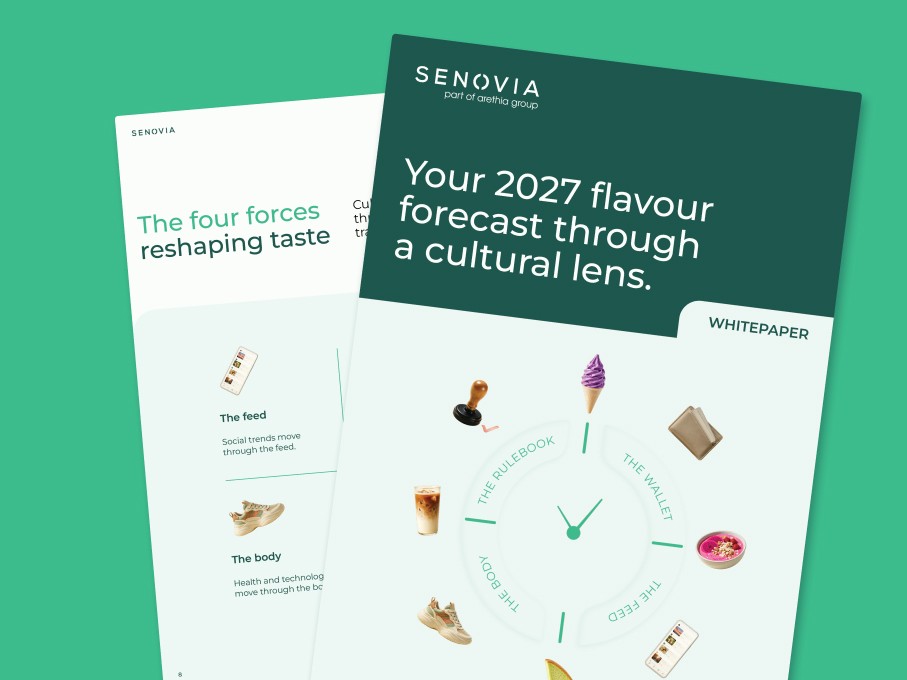
Senovia’s new whitepaper Your 2027 flavour forecast through a cultural lens argues that the flavours gaining ground are not appearing at random. Most trend forecasting goes backwards from what is already popular: a flavour profile gains popularity, brands catch up. By the time the trend gets traction, the window of opportunity to catch the trend’s peak has usually passed.
Reading the forces shaping taste while they are still forming is the harder move, and the more useful one. The whitepaper tracks four drivers: the social feed, the body, the wallet, and the regulatory environment. Here is where each points by 2027, and what it will demand of anyone making sweet food or drink.
The social feed: Asian flavour profiles become the new baseline
The viral trend cycle is loud, but the deeper signal running through the feed is structural. The global reach of K-drama, K-pop, and anime has been building for two decades. Now, once-exotic profiles are becoming baseline expectations. The Oreo collaboration with the K-Pop band BTS rolled a brown-sugar Korean street-pancake profile into eighty countries in May 2026, showing the direction of travel.
Alongside Asian profiles, social media keeps generating internet-native flavour names aimed at younger consumers for whom novelty and visual appeal are non-negotiable. And sweet-heat is evolving past “swicy” into “fricy”: fruit-plus-spicy combinations that carry the intensity the social media feed rewards while staying approachable.
Profiles to watch:
- Settling into the mainstream: yuzu, hojicha, black sesame, ube, and pandan
- The visually distinctive edge: chamoy, yuzu kosho, and fermented chilli
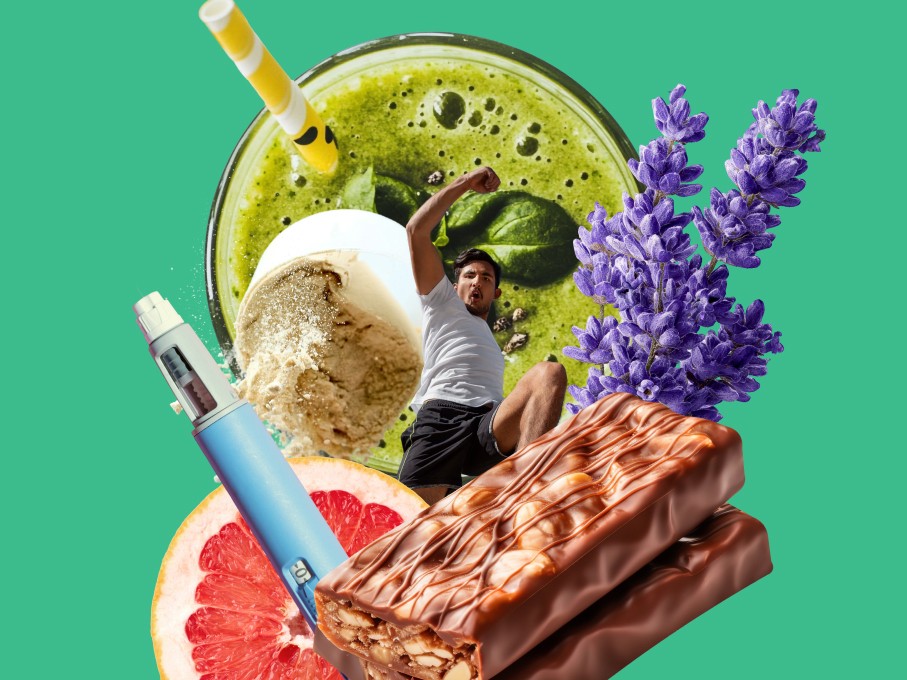
The body: GLP-1 as a standing design constraint for F&B development
The arrival of GLP-1 medicines into mainstream weight management is the most consequential shift in sweet food and beverage in a generation. These medicines suppress appetite and even alter taste receptors, with users reporting changed sensitivity to sweetness and richness.
GLP-1 is the sharpest edge of a wider culture of self-optimisation. Today’s shopper wears a glucose monitor once reserved for the clinic, logs protein and fibre against daily targets, and reaches for magnesium and electrolytes as routine. The food is judged on what it adds as much as what it removes, and the body is treated as a system to tune rather than simply feed.
This leaves a sweet product competing against data consumers track every day. A sweet product has to satisfy smaller portions: delivering impact in two bites rather than ten. So the product brief is clear: bolder profiles at lower sugar, clean sweetness, the masking of off-notes that protein brings in, and functional benefits built in.
Profiles to watch:
- Lemon and mint, on focus blends
- Grapefruit and ginseng, on energy formats
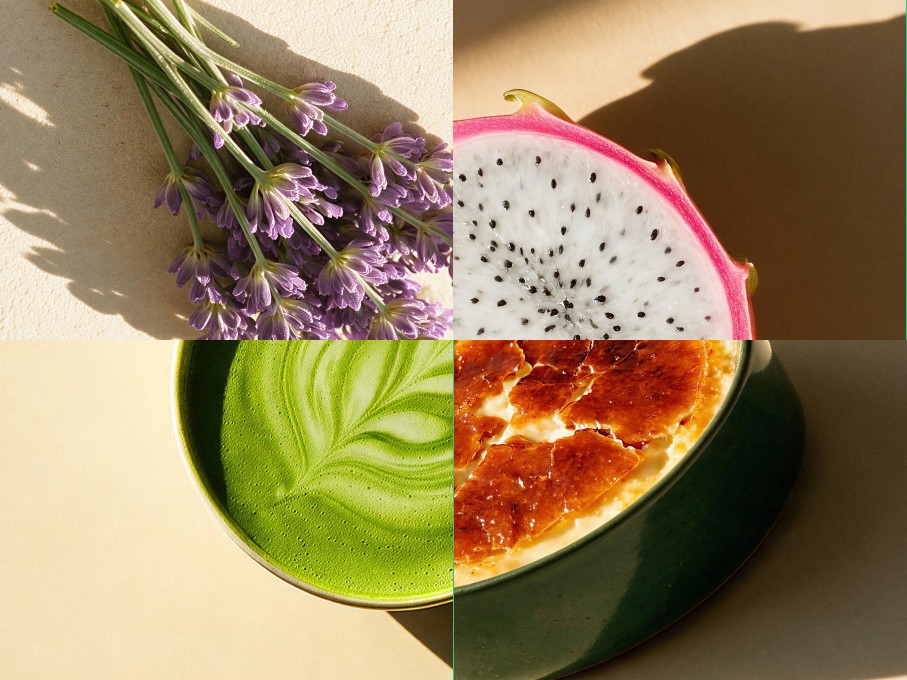
- Lavender and hibiscus, carrying calm and antioxidant positioning
The wallet: affordable indulgence holds, while supply gets harder
Expensive purchases like cars, houses, or even an expensive shirt, are out of reach for most consumers. But a sense of financial control is regained in smaller, indulgent purchases: the oat matcha latte, the cruffin, the premium coffee from the venture-backed coffee chain on the corner.
At the same time, supply is getting harder. On one hand, the 2024 cocoa shock is part of a wider pattern, as any weather-exposed crop can spike or disappear on a timeline that no brand can control. On the other hand, AI data centres are now competing for the same water and land agriculture depends on.
For consumers, a sweet treat still needs to feel worth the money, but it is made increasingly from substitutes. Cocoa-free chocolate, roasted notes rebuilt on sunflower seed and oat bases, and fermentation-derived vanillin are key reformulation tools. The craft is making the cost-driven ingredient replacement taste as indulgent as the original product.
Profiles to watch:
- Everyday indulgence: cheesecake, crème brûlée, coffee, and cinnamon
- Reformulation tools: cocoa-free chocolate, sunflower and oat roasted notes, and fermentation vanillin
The rulebook: leaner yet familiar products on the rise
Regulation usually only runs one way: tighter and tighter. The UK sugar levy threshold drops again in 2028, the US phases out multiple synthetic dyes by 2027 (with Mars reformulating M&M’s and Skittles as a result), and EU deforestation rules will require traceable sourcing claims on cocoa, coffee, and palm. The product-level result is leaner formats: fewer ingredients, less fat.
Leaner formats need flavour to carry less weight, because stripping out fat removes the carriers that deliver and sustain taste.
Pulling the other way is nostalgia. Pandemic aftershocks, political conflict, cost-of-living strain, and rules multiplying faster than anyone can follow all push society towards comfort and the taste of a steadier time. When a turbulent world feels too complex to navigate, people reach for flavours and products that feel safe and known. How that reads depends on generation.
Profiles to watch:
- Gen X: espresso, tiramisu, amarena cherry, and pistachio
- Gen Z: bitter orange, elderflower and mint, and watermelon and raspberry, all aperitivo-adjacent and alcohol-coded without the alcohol
What to watch out for in 2027
Across all four channels, sweetness is being reengineered at lower levels to be sharper and cleaner. Indulgence is getting more concentrated, built for smaller portions. Chocolate keeps improvising around cocoa economics. And natural ingredients move from preference to requirement.
The easy version of each problem, more sugar, a cheaper substitute, an existing catalogue option, is no longer available. What 2027 will reward is the flavour work that holds quality and sensory impact while constraints close in from every direction. The brands acting on it now will be the ones with something to sell when it fully lands.
The full white paper sets out where each of these forces goes next, and what it means for your next brief. Download it for the complete 2027 forecast.