Geographically located between the production markets of Asia and the largest consumption market for sustainable palm oil, Europe, there are huge opportunities for Middle East companies to benefit from their unique position. But with a new regulation coming into force at the end of 2026, companies need to move now, if they want to make good use of these opportunities. Ruben Brunsveld, Deputy Director EMEA at the Roundtable on Sustainable Palm Oil (RSPO), explains why.
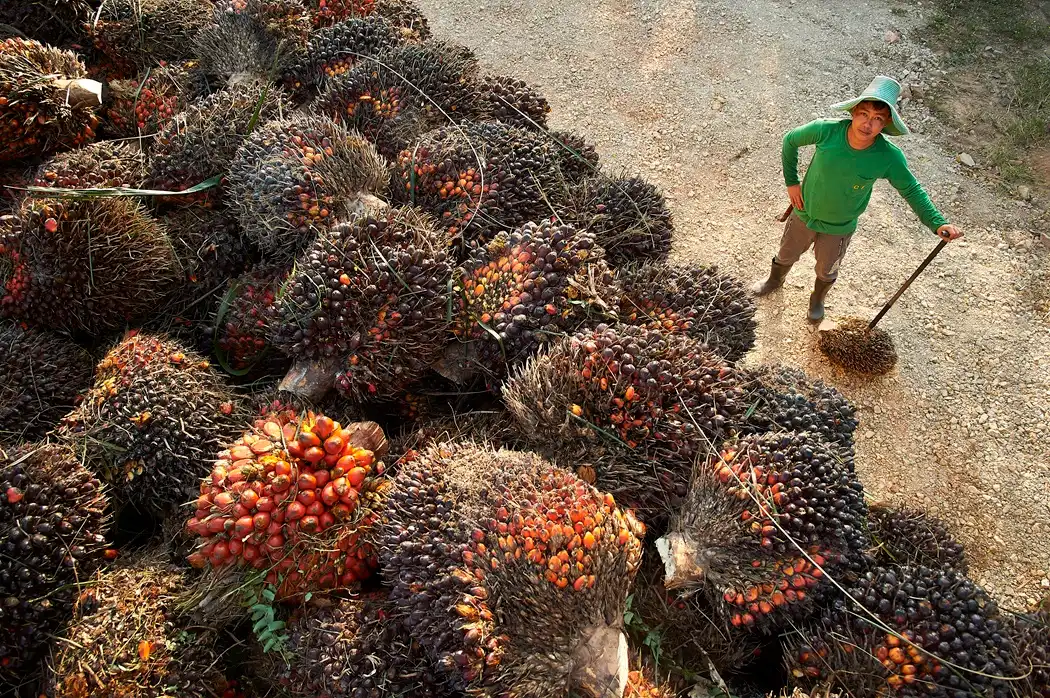
“Found in some of the popular pistachio cream-filled Dubai chocolate, palm oil is an essential ingredient in the production of many products because of its unique melting properties and texture,” says Ruben Brunsveld, Deputy Director EMEA, Market Transformation. Its derivatives are used in soap bars, cleaning products and detergents to give them the soapy qualities, and it is used on many food products, from pastries to pizzas, to give them just the right texture.
And yet this versatile and useful product has struggled with its reputation. The boom in demand in the 1990s led to large-scale deforestation and loss of biodiversity in some producing countries. Consumers chose to boycott products containing palm oil. In response to the urgent need for sustainably produced palm oil, the Roundtable on Sustainable Palm Oil (RSPO) was established in 2004 and is now the leading global standard for sustainable palm oil production and consumption. “The RSPO has been at the forefront of making palm oil sustainable for over twenty years,” explains Ruben, “RSPO membership can help Middle East companies in different ways.”
1. European Market Access
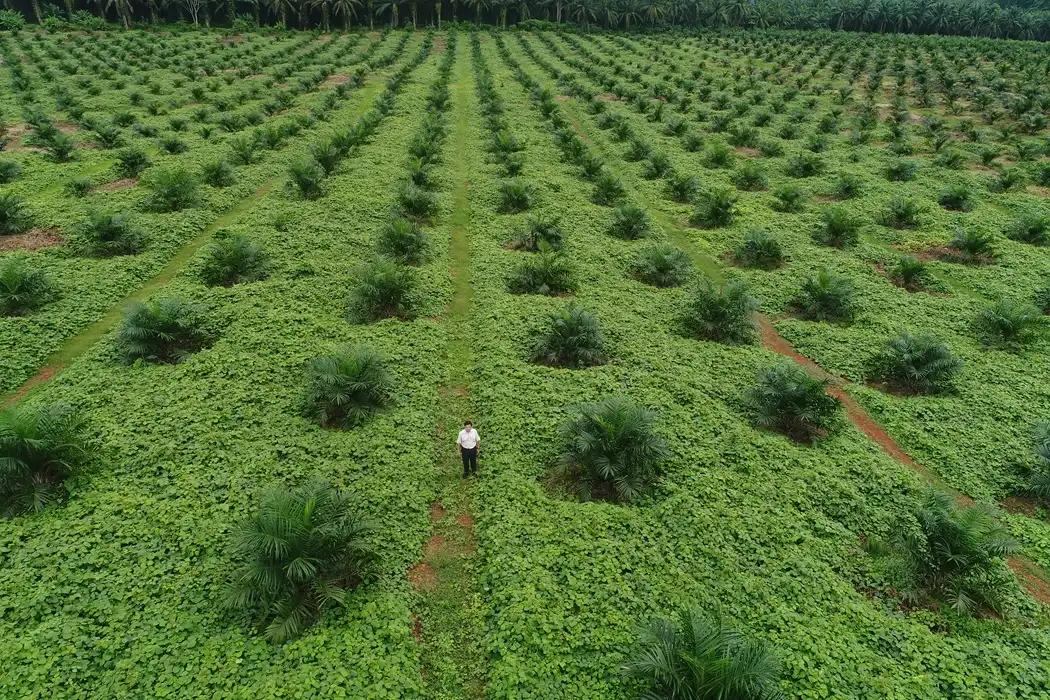
The European palm oil sector is undergoing an important shift from voluntary sustainability initiatives to mandatory legislation. The EU has adopted the European Union Deforestation Regulation (EUDR), which will ban many palm oil products from the market, starting 30 December 2026, if they are not deforestation-free and legally produced. This affects companies exporting palm oil, soap, glycerol or other oleochemicals to the European market.
Whilst RSPO certification is not considered a green lane for access to the European market, it is the world’s most robust system for risk assessment and assurance when it comes to palm oil. So much so that the Dutch National Competent Authority, which will oversee the implementation of the regulation in Europe’s largest sea port, has granted the RSPO the status of a private control system for the implementation of EUDR, stating that “independent systems, such as the RSPO, which have a process for audits and certification, can be a valuable contribution to the assessment of the self-monitoring and legal compliance of member companies”. This gives RSPO Member companies an important business advantage when exporting to Europe.
2. Business Development
The EUDR provides opportunities for companies producing end products in the Middle East, as they might have lower sourcing costs compared to their European competitors. But as the EUDR becomes the norm, Middle East companies must be aware that even if they do not fall under its legal scope, the European customer will demand that the palm oil in their product is sustainably produced. Middle East companies must be aware of the market demands.
3. ESG Reporting
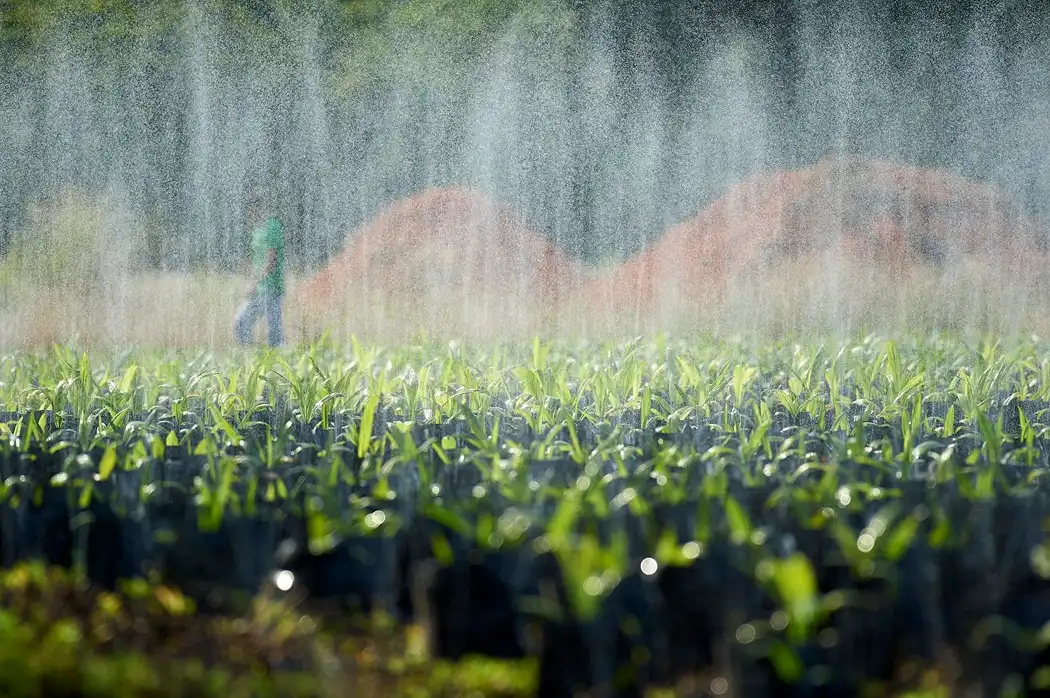
With stock markets and public regulators increasingly requiring companies to report on their ESG performance, the market for non-financial reporting is booming in the Middle East. Using RSPO Certified material and being a member of this global network are important steps in assessing the risks and impacts in your palm oil supply chain. “The RSPO is currently developing an important benchmark study that will show how its members can use the RSPO Standards to report confidently against all the latest standards,” says Ruben.
The organisation now has over 6,000 members globally and over 120 members in the region. These are members that contribute to making the world more sustainable while at the same time benefiting from the business advantages that the RSPO offers, which include market access, improved reputation and risk mitigation.
If you want to learn more about how your business can benefit from RSPO membership, please send an email to info@middleeast@rspo.org and the Secretariat will get in touch with you to book an informal and cost-free call to explore how you too can benefit from joining this global partnership for sustainable palm oil.