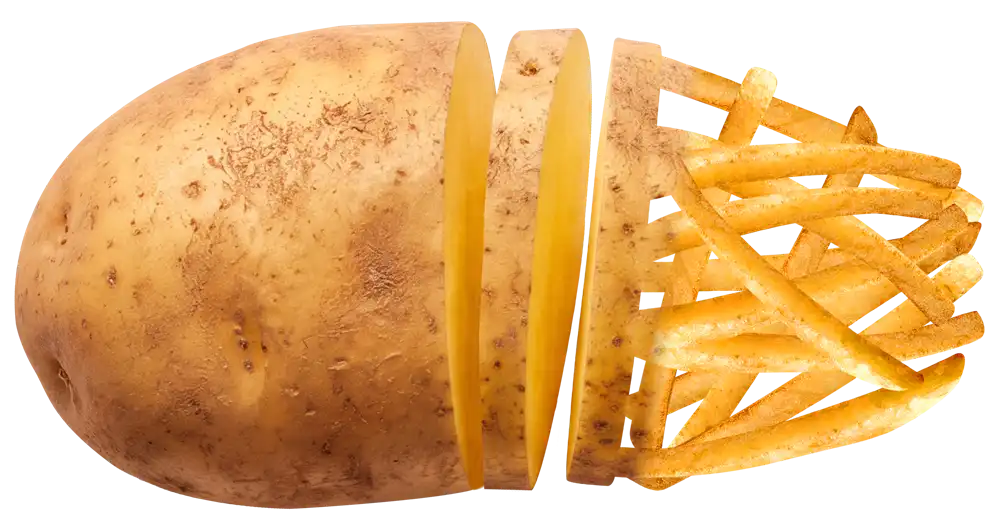
In today’s highly competitive potato processing industry, success depends on far more than efficient frying, cooking, or freezing technologies. Product quality, consistency, and profitability are shaped by every stage of production, from the moment potatoes arrive at the facility to the final inspection of frozen products.
At FPS, potato processing is viewed as a fully integrated, end-to-end operation in which every process is engineered to support the next. From removing field debris and preparing potatoes for processing to grading frozen products, each step plays a vital role in maximizing yield, maintaining quality, and improving operational efficiency.
Raw Receiving: Building the Foundation for Quality
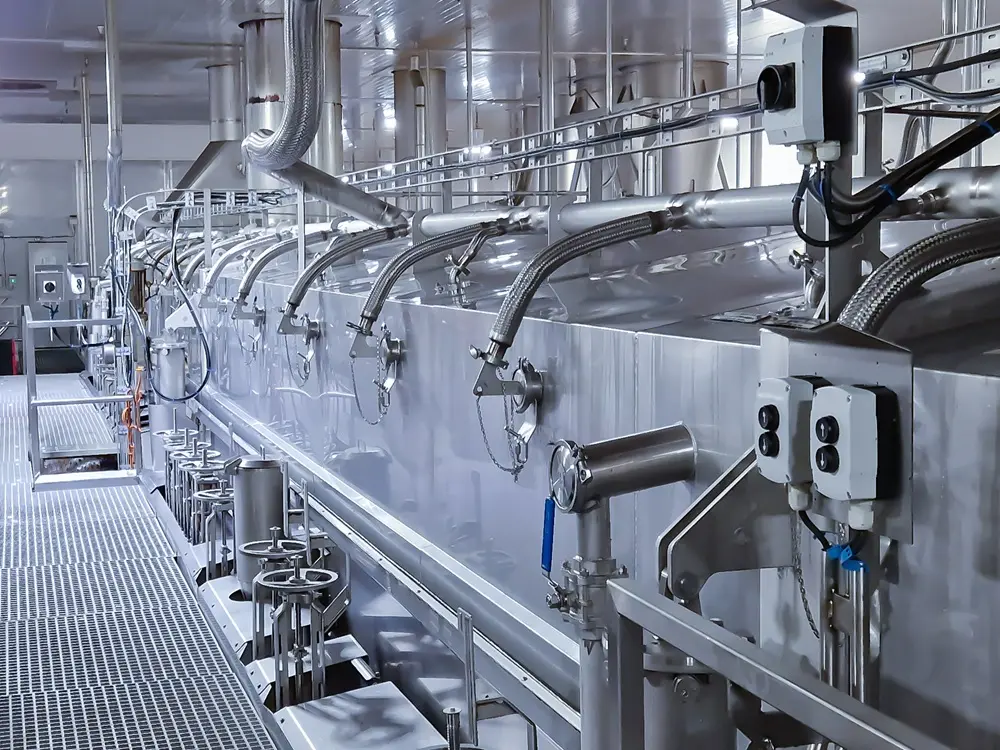
The journey of every French fry, wedge, hash brown, or specialty potato product begins at raw receiving. This stage is much more than unloading trucks. It is the first opportunity to protect product quality, remove contaminants, and establish a consistent flow of potatoes into the processing line.
Potatoes arriving from the field often contain rocks, soil, clods, and other foreign materials that can damage equipment and disrupt production. Advanced washing and destoning systems efficiently remove these contaminants before potatoes move further into the process. By eliminating unwanted material early, processors can reduce equipment wear, minimize downtime, and create a more stable production environment.
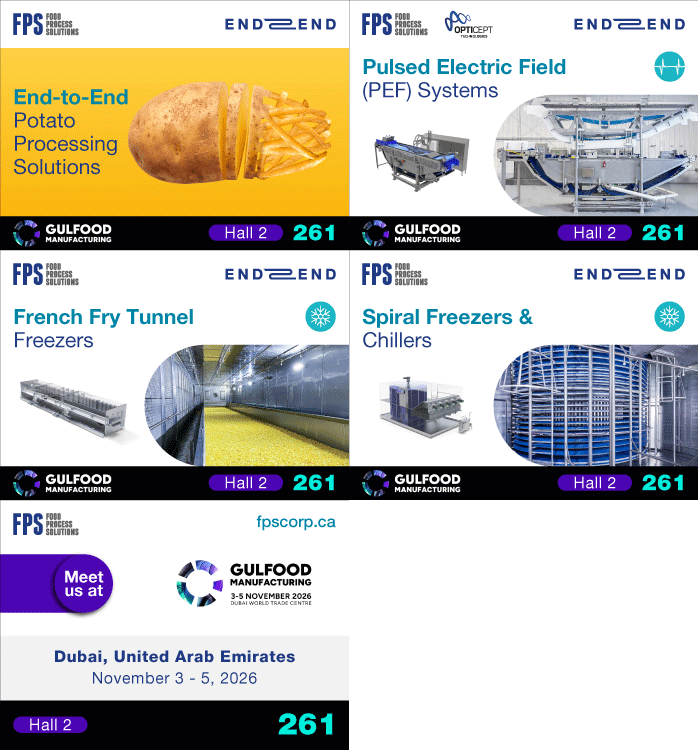
For processors seeking additional performance improvements, Pulsed Electric Field (PEF) technology can be integrated into the receiving and preparation stages. By applying short electrical pulses that alter the potato’s cellular structure, PEF makes potatoes easier to process while improving cut quality, reducing breakage, enhancing water removal, and lowering energy consumption during downstream drying and frying operations.
Following cleaning and conditioning, product preparation becomes critical to achieving optimal processing performance. Hydrocutter technology uses high-pressure water propulsion to create precise, uniform cuts while minimizing mechanical stress and product damage. Consistent cutting enhances product appearance, supports uniform cooking and frying, and helps maximize yield by reducing breakage and waste.
Together, these technologies create a highly optimized front-end solution that improves product consistency, protects valuable processing equipment, and prepares potatoes for efficient downstream processing.
Maintaining Seamless Product Flow Throughout Processing
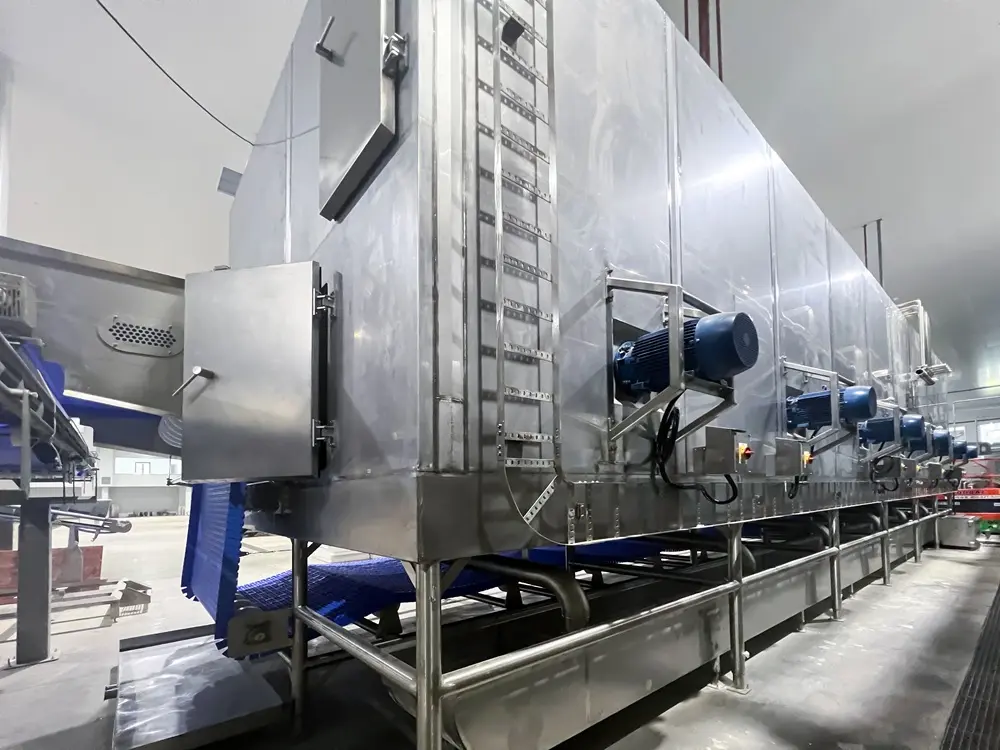
Once potatoes have been received, cleaned, cut, and conditioned, they move through a series of processing stages that may include blanching, drying, frying, cooking, seasoning, and freezing. Throughout this journey, efficient material handling is essential for maintaining throughput and protecting product integrity.
Every transfer point presents a potential risk for product damage, yield loss, or production bottlenecks. Poorly designed conveying systems can lead to excessive breakage, product accumulation, and unnecessary downtime. FPS designs integrated material handling solutions that ensure smooth product flow while maintaining consistent production rates and product quality.
By optimizing equipment transitions and automating key handling processes, processors can improve operational efficiency, reduce labor requirements, and support higher production volumes without compromising product quality.
Frozen Grading: The Final Quality Assurance Step
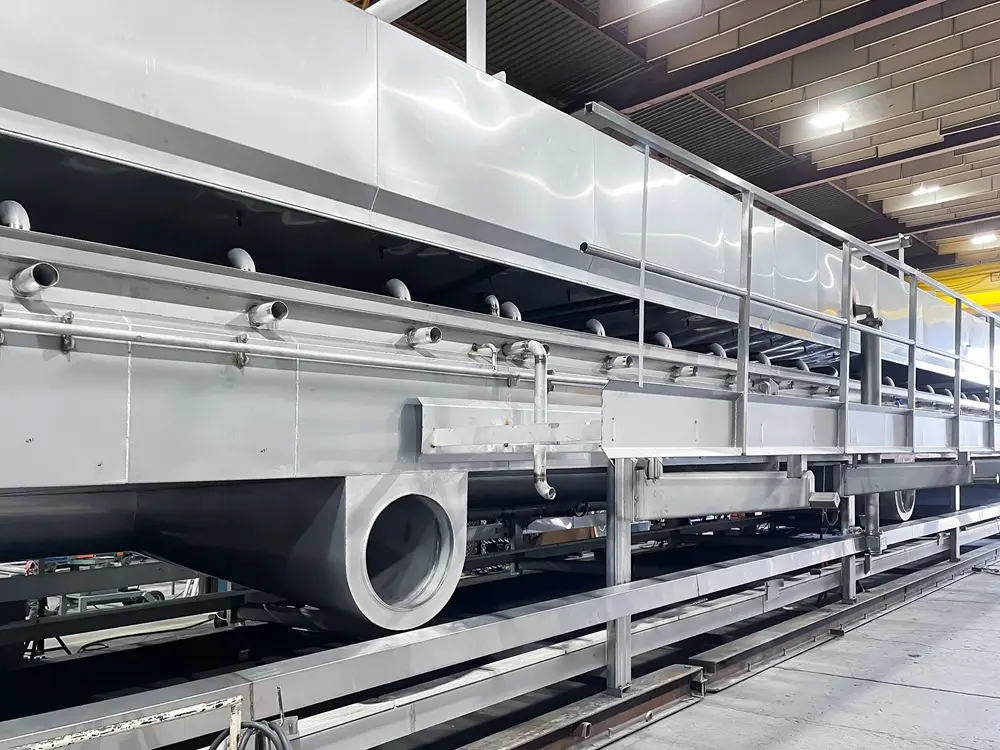
After processing and freezing, frozen grading serves as the final quality assurance stage before products move into distribution channels. Even when upstream processing has been optimized, finished products must still be inspected and sorted to ensure they meet customer specifications and quality standards.
Frozen grading systems evaluate products based on size, shape, color, and overall appearance, removing clusters, excessive fines, broken pieces, and other out-of-specification material. Advanced optical sorting and grading technologies can also identify discoloration, foreign material, and visual imperfections, ensuring that only products meeting quality requirements continue forward.
This final inspection stage not only safeguards brand reputation and customer satisfaction but also improves yield management by accurately separating saleable product from waste and rework streams. By delivering greater consistency and quality control, frozen grading helps processors maximize product value while meeting increasingly demanding market expectations.
The FPS Advantage
At FPS, potato processing is approached as a complete system rather than a collection of individual machines. By integrating advanced technologies at both the raw receiving and frozen grading stages, processors gain a seamless end-to-end operation designed to maximize efficiency, increase yield, and maintain consistent product quality.
For more information, visit https://www.fpscorp.ca/