Exploring the Basics and benefits of Shrink Sleeve Label
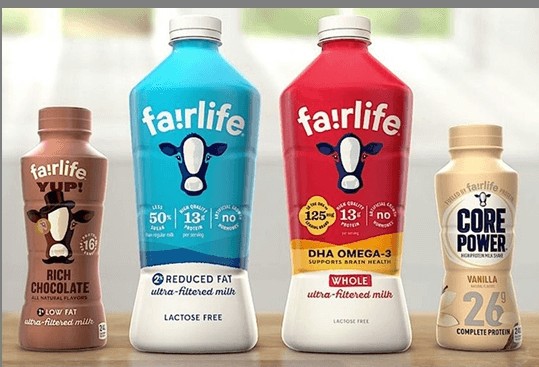
Shrink sleeve labels are a popular choice in product packaging due to their 360-degree coverage, which allows for vibrant, full-color designs that can cover the entire surface of a container. This type of labeling is especially beneficial for products that need to stand out on the shelves.

Additionally, shrink sleeve labels are made from durable materials that provide a protective barrier against moisture, abrasion, and varying temperatures. This ensures that the product remains in top condition from the factory to the consumer.
- Cost compare between OPP labeling and shrink sleeve labeling
When comparing the costs between OPP (Oriented Polypropylene) labeling and shrink sleeve labeling, it’s essential to consider both the material costs and the application process. OPP labels are generally less expensive in terms of material costs, but they may not offer the same level of durability and design flexibility as shrink sleeve labels.

 OPP (Oriented Polypropylene) labeling is easy to get mis-alignment label or not easy to put on uneven container surface.
Shrink sleeve labels, on the other hand, can be more costly due to the specialized materials and application equipment required. However, the added benefits of better product protection, enhanced visual appeal, and the ability to fit irregularly shaped containers can justify the higher initial investment.
- Comparing Manual vs. Automatic Application Methods
Manual application of shrink sleeve labels involves manually placing the sleeve on the container before applying heat to shrink it into place. This method is suitable for small-scale operations or businesses with limited product runs. It requires minimal equipment investment but can be labor-intensive and less consistent in quality.

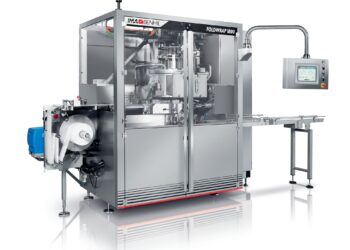
Automatic application methods use specialized machinery to place and shrink the labels onto containers at high speeds. This method is ideal for large-scale operations, providing consistent quality and efficiency. While the initial investment in machinery can be significant, the long-term benefits of reduced labor costs and increased production rates can outweigh the upfront expenses.
- Different application between Steam and Heat shrink tunnels
Shrink tunnels are used to apply heat to shrink sleeve labels onto containers. The two main types are steam tunnels and heat tunnels. Steam tunnels use steam to provide even and gentle heat, making them ideal for containers with complex shapes or heat-sensitive products. They offer excellent control over the shrink process, ensuring a smooth and uniform finish.

Heat tunnels, on the other hand, use heated air to shrink the labels. They are generally less expensive to operate and maintain compared to steam tunnels. While they may not offer the same level of precision as steam tunnels, they are suitable for straightforward applications where cost efficiency is a priority. It is suitable for low production speed or small labels. It is also better for label before filling or products cannot be exposed to water.

- Environmental Considerations in Shrink Sleeve Labeling
Environmental sustainability is increasingly important in the packaging industry. Shrink sleeve labels can be made from recyclable materials such as PET-G, which can be recycled along with the container. Additionally, advancements in biodegradable and compostable shrink sleeve materials are making it easier for companies to reduce their environmental footprint. Also, shrink sleeve material can contain post-consumer recycled content (PCR) to reduce waste.
By reducing the thickness of the film, you can reduce cost and the carbon footprint at the same time. But you have to choose the right shrink sleeve applicator for film down gauging.
Dase-Sing offers advanced downgauging shrink sleeve labels and packaging upgrades for our shrink sleeve applicators. Contact us to learn how you can reduce material consumption and costs.
- Digital printing and Conventional printing
There are MOQ(Minimum order Quantity) requirement for conventional printing shrink labels and it is usually 6,000M long. There is also printing plates (1 color for 1 plate) and different design with different plates.
The digital printing is without MOQ and plates but the cost is higher. Digital shrink sleeve label pictures can be varied between label to label. 
Efficiency and ESG: Choosing the Right Method for Your Business
When deciding between manual and automatic shrink sleeve label application methods, consider your production volume and growth projections. For small-scale operations or niche products, manual application/digital printing can provide the flexibility needed without a significant financial investment.
For larger-scale productions, automatic application offers the speed and consistency required to meet high demand. Investing in the right machinery can streamline your operations, reduce labor costs, and improve overall efficiency. Ultimately, the choice will depend on your specific business needs and goals.
The packaging industry is undergoing a significant transformation as companies increasingly prioritize sustainability and environmental friendliness.
Shrink sleeve labels offer several key benefits when it comes to reducing carbon footprint and promoting sustainability. Firstly, these labels are made from recyclable materials, such as wood-plastic composites, which are derived from recycled shrink sleeve labels.
Furthermore, shrink sleeve labels can replace traditional solvent seams with de-seaming adhesive. This adhesive is more environmentally friendly and eliminates the need for harmful solvents.
Moreover, shrink sleeve labels can be washed off during the recycling process, making it easier to separate the label from the packaging material. This enhances the efficiency of recycling and reduces contamination, resulting in a more sustainable and effective recycling process.
By utilizing shrink sleeve labels, companies can significantly reduce their carbon footprint and contribute to a more sustainable packaging industry. These labels offer a viable solution for brands that are committed to environmental friendliness and impressive products image.
More video:https://www.dasesing.com/en/news-category/K04/1/Video
Contact us:matt@dasesing.com
#Shrinkmachine #Automaticshrinksleeve #PVCshrinksleeve