Food security has been thrown into the spotlight as global economic and geopolitical volatility has put pressure on the supply chain. Given the Gulf Cooperation Council (GCC) ‘s heavy reliance on food imports, the issue is especially prevalent in the region.
Where the GCC currently imports around 85% of food items such as cereals, rice, meat and vegetables, the region is particularly vulnerable to supply chain disruptions. States such as the United Arab Emirates have also tightened food standards, increasing concerns about perishable products that may not pass inspection due to shipping delays, creating more bottlenecks in food supply.
In response, GCC governments are pushing for innovative measures to protect food supply and decrease reliance on imports. The six states have developed a regional food security strategy, investing $3.8 billion to build facilities for fisheries, agriculture and livestock, to provide the region with a more secure and sustainable food supply.
Operational efficiency in these facilities will be a fundamental part of project success, ensuring that the food supply meets stringent regional standards and that productivity remains high. Where vulnerabilities remain, smart security apparatus can help build safer food facilities.
Identifying vulnerabilities
The need for more domestic food manufacturing and storage facilities in the GCC stems from the vulnerabilities the region currently faces. Universities partnering with regional governments on food facility development categorize their concerns into three main groups: environmental, economic and operational.
Environmental vulnerabilities in the GCC region include water scarcity, arid land and increasing extreme weather events, such as rising temperatures and natural disasters. These concerns feed into economic matters, including the overreliance on imports and population growth.
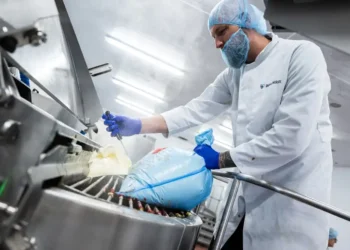
Finally, facility administrators need to address operational gaps, both prospective and existing, to help meet targets on the GCC food security agenda. The high food standards in the region mean there will need to be increased oversight of the production process, with measures to minimize contamination, unsafe behaviors and costly errors.
As a global hub of innovation, food industry leaders in the region will need to apply measures to help adapt and scale to these vulnerabilities as they emerge. They can leverage smart technologies to help create the safer food facilities the GCC strategy seeks.
Smart solutions for food security
The Environment Agency in Abu Dhabi has offered insights into how the region can procure smart solutions to enhance food security. The Hamdan bin Zayed: The World’s Richest Seas initiative is an innovative fisheries program that aims to significantly increase fish stocks by attracting more marine life and promoting sustainable fishing practices.
One standout innovation in the project is the use of artificial intelligence (AI) to help address the region’s food security vulnerabilities. The hardware and software used in the facilities provide real-time, deep insights into operations to enable continuous improvement, helping optimize productivity and sustainability and allowing quick detection and appropriate responses to any anomalies.
The initiative serves as an excellent example of how AI-assisted solutions could help meet targets in the GCC’s food security strategy. Smart technologies can provide the scalability, flexibility and capability needed to help facility administrators overcome the challenges the region faces in food security.
Hardware, such as AI security cameras, can play an integral role in maintaining food hygiene standards and detecting any unusual activity, alerting facility supervisors to take swift corrective action. The supporting data analytics software can process real-time data to keep the food production line running optimally, minimizing human errors and costs. Sensors on the cameras can also help detect potential intruders or any unsafe working conditions that could compromise food safety.
Achieving food security goals
GCC countries have taken considerable steps to align with the world’s highest food standards, with countries such as the UAE implementing stringent frameworks to ensure the quality of produce and perishables entering the country. However, with the regional supply chain affected by geopolitical events, achieving those goals, alongside food security targets, has become more challenging.
While each GCC country has applied its own dedicated strategy towards food security, the goals remain relatively the same. Governments and industry leaders want to build resilience against evolving regional challenges and become more self-sustainable.
Saudi Arabia aims to domestically produce 85% of its food as part of “Vision 2030”. Oman is investing in an “agricultural city” to enhance regional food production. Bahrain’s National Initiative for Agricultural Development (NIAD) is investing in modern technologies to increase the efficiency of food production.
Facilities adopting smart technological solutions have proven influential in helping solve challenges in other critical infrastructure sectors in the Gulf region. The same innovative approaches can be applied to enhance food security, using technologies such as AI-assisted hardware and software to optimize and protect facilities from the environmental, economic and operational challenges.
Achieving food security in the GCC means creating safer facilities to support a more sustainable and resilient supply. Smart security measures can be the core pillar of support to fulfil that agenda.