Currently, Gen Z has emerged as a key demographic driving awareness and advocacy for sustainable food production and its impact. According to a survey conducted on behalf of Whole Foods Market by YouGov, a global provider of analysis and data generated through research across 42 markets, Gen Z consumers value sustainability and quality in grocery products and will spend more to support businesses that share these values. Approximately 1,023 American adults between the ages of 18 and 27 participated in the nationwide online survey, which analysed Gen Z’s interests in food, health and grocery shopping.
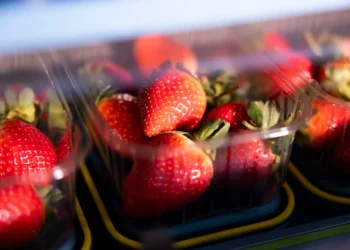
The study revealed that over 70 per cent of Gen Z consumers support climate-smart agricultural practices, while over half of these consumers favour companies that prioritise lower environmental impacts or locally sourced foods. Furthermore, 80 per cent of the Gen Z respondents stated that they prioritise food quality when making purchases, with roughly 70 per cent of them willing to pay more for higher-quality food. [1]
This growing demand for transparency in food sourcing is further driving significant investments in visibility technologies across the supply chain. In 2024, the global food traceability market surpassed USD 13 billion and is projected to expand at a double-digit compound annual growth rate (CAGR). The increase shows how urgent it is for brands and retailers to adopt cutting-edge solutions – like Radio-Frequency Identification (RFID), blockchain-based provenance, QR codes, and IoT-enabled tracking systems – to meet shifting consumer demands for food quality traceability and accountability.
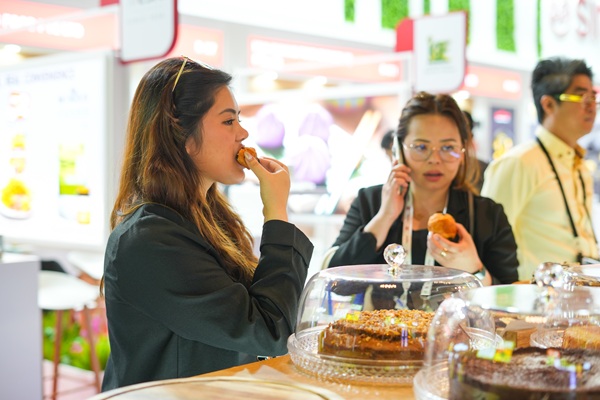
Gulfood 2026, which will take place in Dubai from January 26 to 30, brings together a diverse range of suppliers, buyers and technology providers in two expanded venues, making it an appropriate platform for the discussion. In addition to meeting consumer demands, exhibitors who showcase live demonstrations of traceability tools, certified sustainability claims, and Gen Z-friendly storytelling will gain direct access to an evolving generation of food consumers and influencers.
Regarding the study, it employs the Theory of Planned Behaviour as the theoretical framework to comprehend how Gen Z’s sustainable food purchases are influenced by consumer knowledge, trust, and health concerns, as well as the variables of the theory – such as personal attitude, subjective norms and perceived behavioural control. The findings indicate that while subjective norms, perceived behavioural control, health consciousness, and trust, do not significantly influence purchase intentions, attitude and knowledge are major predictors of sustainable food consumption among these consumers. [2]
The global adoption of traceability technologies has been accelerated due to consumer-driven demand, regulatory compliance, and food safety concerns. This has led to the emergence of new traceability platforms and an increase in digital supply chain solutions. As this pattern continues to grow, the food traceability market is poised to expand as a result of stakeholders’ commitment to shaping a more transparent, reliable and secure global food ecosystem.
Gen Z’s consumption habits also reflect their impact on the food industry. They place a high priority on sustainability and health, frequently opting for plant-based substitutes that offer both nutritional value and a low carbon footprint. At the same time, they maintain high expectations for taste and affordability, signalling that while they are prepared to support sustainable choices, the products offered must also meet conventional standards of flavour and value. It is therefore clear that brands seeking Gen Z’s trust must deliver sustainable products that are both high-quality and reasonably priced.
To register and for more information visit Gulfood.com.